

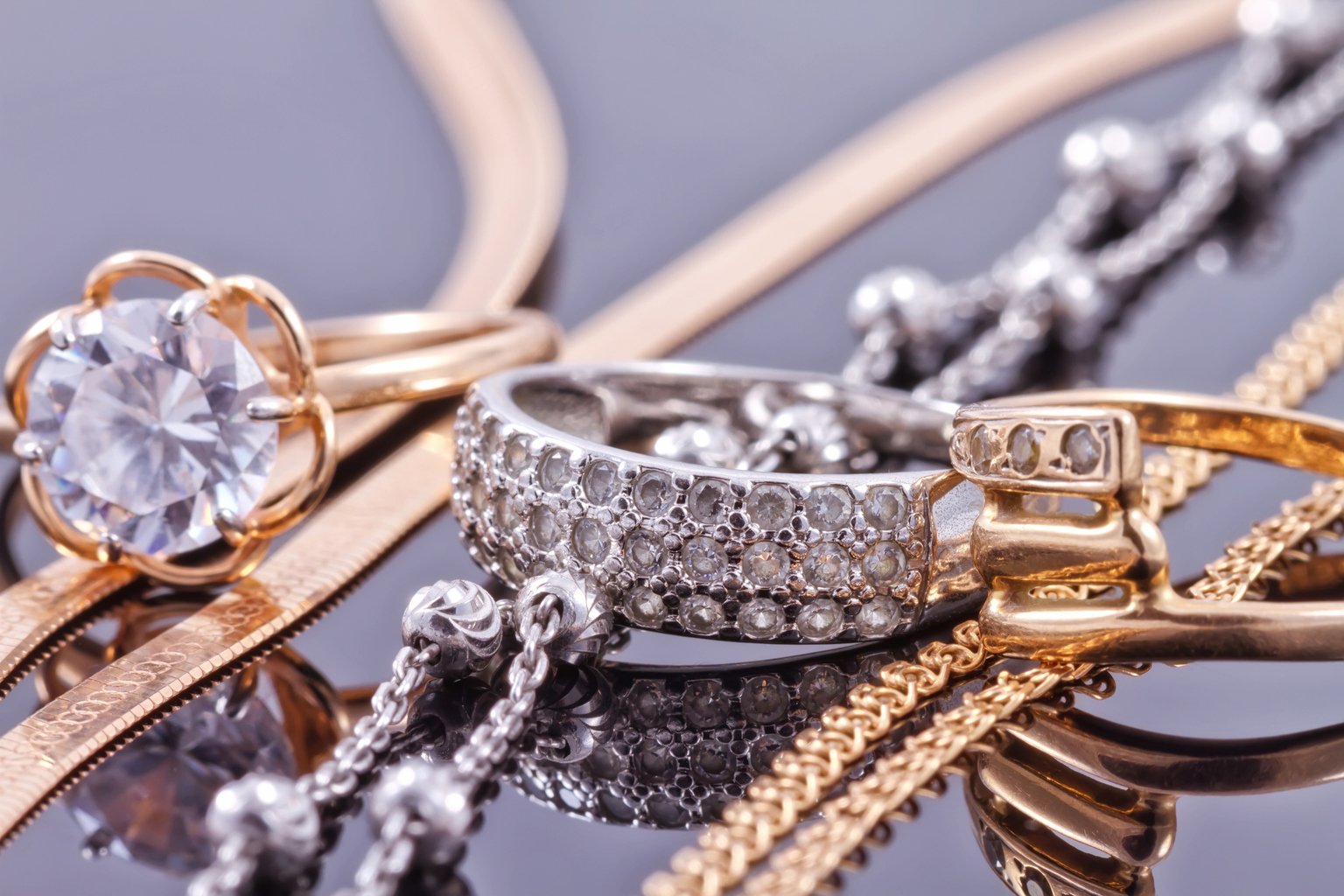
If you’ve ever stared at a piece of jewellery and thought, “It’s beautiful, but it’s just sitting there,” you’re not alone.
As a jeweller in Melbourne, I’ve had countless people come through my door clutching gold bangles, diamond earrings, or old family heirlooms, wondering if they could somehow turn those glittering memories into something practical — maybe to cover a business expense, a medical bill, or just to get through a tight month.
Money conversations can feel awkward, especially when they involve something personal like jewellery. But here’s the thing: your jewellery can be an asset, not just a keepsake.
That’s where loans against jewellery come into play — and they’ve quietly become one of the most flexible, discreet financial options around.
The Sentimental Dilemma: More Than Just Gold and Silver
Most people don’t plan to use their jewellery for a loan. It’s often a last resort, or sometimes, a pleasant surprise when they realise it’s an option at all.
I remember a young couple who came in last year — they were trying to open a small café in Brunswick. They had passion, plans, and a tight budget. Their bank loan application was moving at the pace of a lazy snail, and they were running out of time.
She had a small diamond bracelet, a gift from her grandmother. “It’s the only thing of value we have,” she said, eyes down.
They didn’t want to sell it — it meant too much. That’s where a loan against jewellery made sense. They were able to use it as security, get the funds quickly, and when their café started turning a profit, they simply repaid the loan and got the bracelet back.
No harm, no loss — just a smart use of what they already had.
That story plays out more often than you’d think. Whether it’s gold, platinum, or diamond pieces, jewellery can carry value far beyond emotional worth — and that value can help you when you need it most.
So, What Exactly Is a Loan Against Jewellery?
Think of it as a short-term, asset-backed loan.
Instead of borrowing money based on your credit score or income history, you’re using your jewellery as collateral. A pawnbroker or specialist lender assesses its value, offers you a loan based on that appraisal, and holds the item securely until you repay.
It’s fast, private, and doesn’t require complicated paperwork.
In Australia — especially in cities like Sydney and Melbourne — this has become a practical solution for people who want access to cash without selling something they love. You might want to check out how reputable services handle this; one good example is the team offering loans against jewellery in Sydney, who’ve built a name for being transparent and fair.
Unlike traditional finance options, you’re not dealing with credit history checks or long approval processes. The value lies in the item itself, not in your financial record.
What Kinds of Jewellery Qualify?
This part often surprises people. It’s not just about gold chains or engagement rings.
Most lenders will consider:
- Gold jewellery (even broken pieces, if the gold content is high)
- Diamond rings and bracelets
- Luxury watches (Rolex, Omega, Cartier)
- Silver and platinum pieces
- Antique or designer items
The assessment usually comes down to purity, weight, craftsmanship, and market demand.
Of course, sentimental value doesn’t count toward the price — but knowing your jewellery’s true material worth can be empowering. Many clients walk away amazed at what their old pieces are actually worth.
Why People Choose Loans Against Jewellery
There’s a practicality to it that’s hard to ignore. Here’s what makes it appealing:
1. Speed and Convenience
You can often walk into a shop and walk out with funds in less than an hour.
Try saying that about your bank.
2. No Credit Impact
Since the loan is secured against your jewellery, your credit score isn’t part of the equation. Even if you’ve had past financial hiccups, it doesn’t matter.
3. You Keep Ownership
Unlike selling, you still own your jewellery. Once you repay, it’s yours again — no emotional loss.
4. Privacy and Respect
Good lenders keep the process confidential. There’s no public record, no awkward conversations, and no stigma. Just a straightforward agreement.
5. Fair Market-Based Valuations
Your jewellery is assessed by professionals who know the metal and gemstone market — not by a vague algorithm. You’ll often get a realistic, competitive valuation.
A Quick Reality Check: The Risks and Responsibilities
Now, I won’t sugarcoat it — this kind of loan isn’t for everyone.
If you fail to repay within the agreed time, you can lose your item. It’s the trade-off for having a secured loan with no credit check.
That said, reputable lenders will usually discuss flexible repayment options and explain everything clearly. Always read the fine print and ask questions — lots of them.
If something sounds too good to be true, it probably is.
Also, avoid unlicensed operators. Australia has strict laws under the Pawnbrokers and Second-hand Dealers Act, and only registered businesses can legally hold your items as security. Make sure you’re dealing with someone legitimate — preferably with a physical shop, not just an online front.
When Selling Might Make More Sense
Sometimes, people walk in wanting a loan, but after a proper valuation, they realise selling makes better sense.
If the jewellery’s been sitting in a drawer for decades, with no emotional strings attached, selling can be the cleaner, simpler option.
And if you’re in Victoria, you’ll find plenty of reputable places where you can sell gold Melbourne locals trust for quick, fair transactions.
Gold prices have been surprisingly strong lately, and for some, selling offers a more permanent solution rather than taking on short-term debt.
I often tell clients: “There’s no wrong choice here — just the one that fits your situation best.”
If your item carries deep sentimental value, a loan helps you keep it.
If it’s purely material, selling can give you a clean slate (and some welcome breathing room).
How the Process Works — Step by Step
Here’s what typically happens when you go for a jewellery-backed loan:
- Valuation:
You bring in your item, and it’s assessed for purity, weight, and current market value.
This usually takes 10–15 minutes for straightforward pieces. - Offer:
You’ll receive a cash offer — generally between 60–80% of the item’s market value. - Agreement:
Once you agree, both parties sign a short contract outlining loan terms, interest rates, and repayment schedule. - Secure Storage:
Your jewellery is sealed and stored in a safe until you repay. Most places insure it for the full amount. - Repayment:
When you pay back the loan (plus interest), you collect your item. Simple as that.
There’s something strangely reassuring about how tactile the process is — gold in, cash out, and everything tracked clearly.
A Personal Take: Why I Respect This System
After years in the trade, I’ve come to see these transactions as more than business — they’re often deeply human moments.
I’ve seen parents use an old wedding ring to cover a child’s school fees, artists fund exhibitions with vintage brooches, and retirees unlock value from jewellery that had been boxed away for decades.
It’s a reminder that gold, in all its permanence, can be surprisingly fluid when life demands it.
There’s dignity in being able to use what you already own to move forward — without begging the banks or parting with something forever.
Of course, not everyone’s comfortable with the idea, and that’s fine. But for many, it’s a smart, respectful bridge between sentiment and necessity.
The Bigger Picture: Gold as a Quiet Financial Backup
In Australia, we tend to see jewellery as decoration — something to wear at weddings or store in a safe. But in much of the world, it’s considered a form of portable wealth.
Gold especially has a long history of serving as a financial safety net. When economies dip or emergencies strike, it’s one of the first things people turn to.
That’s not changing anytime soon.
Even younger generations — who might be more into digital wallets than heirlooms — are rediscovering the tangible value of gold. It doesn’t vanish with a market crash, and it doesn’t depend on a credit score.
In that sense, loans against jewellery aren’t old-fashioned at all. They’re a modern way of reviving a very old idea: your wealth doesn’t have to sit idle.
Final Thoughts: More Than Metal, More Than Money
If you’re ever in that grey zone — not wanting to sell, but needing a bit of financial breathing room — remember that your jewellery might quietly hold the answer.
It’s not just about quick cash; it’s about flexibility, respect, and control.
Whether you go through a trusted lender for a jewellery-backed loan or choose to sell your gold outright, the key is understanding your options.
At the end of the day, jewellery isn’t just adornment. It’s history, it’s security, it’s love made tangible.
And sometimes, when life throws a curveball, it’s exactly what helps you stay standing.