

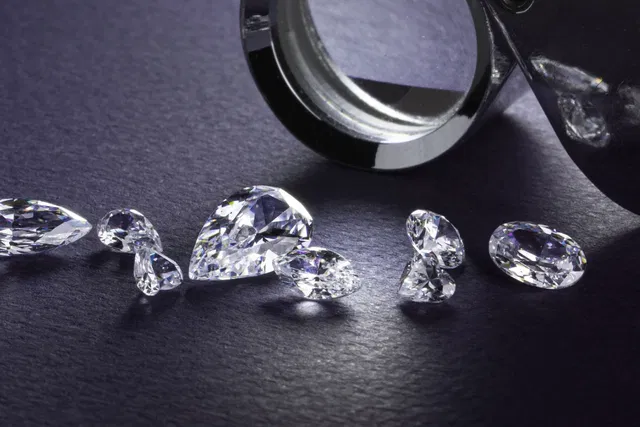
Diamond jewellery in Singapore is changing. Buyers still want brilliance and fine craftsmanship, but many now pay closer attention to value, design flexibility, and how their stones were produced. Lab-created diamonds have become a serious part of that conversation.
The shift is especially noticeable among younger shoppers who want more visual impact without spending the same amount required for comparable mined stones. In February 2026, The Business Times reported that jewellery stores in Singapore estimated lab-grown stones represented about 80% of their engagement-ring sales. Although bracelets serve a different purpose, that level of adoption shows how familiar Singapore consumers have become with the category.
Lab-grown diamonds are real diamonds rather than diamond simulants such as cubic zirconia. They share the core chemical, physical, and optical characteristics associated with natural diamonds, although their origin and growth process differ. GIA uses specialist testing to distinguish laboratory-grown material from natural stones.
For someone considering lab-grown diamond jewellery for a birthday, anniversary, wedding gift, or personal purchase, a bracelet can be one of the most wearable choices.
Pros and Cons of Lab-Grown Diamond Jewellery
Before buying, it helps to look beyond the sparkle. Lab-grown pieces offer clear advantages, but they also involve trade-offs that matter to different buyers in different ways.
Pros: More Design for Your Budget
The biggest attraction is usually purchasing power. Because laboratory-grown stones generally cost less than comparable mined diamonds, shoppers may be able to choose larger stones, a longer diamond setting, or a more elaborate design without dramatically increasing their budget.
This makes the category particularly appealing for tennis bracelets. A bracelet uses multiple stones, so even a modest difference in the price of each diamond can affect the final cost.
A buyer who initially planned for a delicate single-row bracelet, for example, may discover that the same budget provides room for a stronger total carat weight or higher-quality setting.
Pros: The Same Kind of Diamond Sparkle
A properly cut laboratory-grown stone can deliver the brightness, fire, and brilliance buyers expect from diamond jewellery. The origin does not remove the importance of cut quality.
That matters because bracelets are viewed from many different angles. Stones with good proportions and consistent matching tend to create a cleaner line of sparkle across the wrist.
When shopping for a lab grown diamond bracelet, pay attention to the overall consistency of the piece instead of judging it solely by total carat weight. Well-matched stones can look more refined than a bracelet containing larger but poorly coordinated diamonds.
Pros: Modern Styles Are Easy to Find
Lab-grown diamond jewellery is no longer limited to engagement rings. Singapore shoppers can find tennis bracelets, station bracelets, bangles, chains, pendants, earrings, and other everyday pieces.
This gives buyers more freedom to choose jewellery for personal style rather than reserving diamonds for formal occasions.
Minimal designs work especially well for Singapore lifestyles because they can move easily between office wear, dinners, weddings, and casual weekends.
Cons: Resale Expectations Need to Be Realistic
A lab-created diamond should generally be purchased as jewellery rather than as a financial investment.
Production capacity has increased, and prices have fallen substantially as the market has developed. Current industry reporting also highlights the considerable difference between lab-grown and natural diamond pricing.
That does not make the jewellery less meaningful or attractive. It simply means buyers should place more weight on enjoyment, craftsmanship, and purchase price than on expectations of future resale value.
Cons: Sustainability Claims Require Closer Inspection
Lab-grown diamonds avoid traditional diamond mining, but “lab-grown” does not automatically mean environmentally impact-free.
Diamond-growing equipment requires energy. The environmental footprint can therefore vary depending on the production method, energy source, facility, and supply chain. Buyers interested in sustainability should look for specific information instead of relying only on broad green marketing claims.
Expert Tips for Choosing the Right Piece
A jewellery purchase becomes easier when you know which details deserve attention.
Check the Setting Before Chasing Carat Weight
Bracelets move constantly and can receive more knocks than earrings or pendants. A secure setting is therefore essential.
Examine:
- Claw or prong security
- Link construction
- Clasp quality
- Safety catches
- Flexibility between sections
- Metal thickness
- Overall finishing
A beautiful row of diamonds offers little value if the clasp feels weak or the settings catch easily on clothing.
Consider the Metal for Daily Wear
White gold creates a bright, seamless appearance around colourless stones. Yellow gold adds warmth and contrast, while rose gold provides a softer look.
Platinum can also be appealing for durability, although price and weight should be considered.
For Singapore’s warm climate, jewellery worn regularly may be exposed to perspiration, skincare products, sunscreen, and humidity. Regular gentle cleaning can help preserve its appearance.
Understand What the Quality Documentation Means
Ask the seller how the stones are identified and graded, especially when purchasing a higher-value piece.
GIA changed its laboratory-grown diamond assessment approach in October 2025, using descriptive “Premium” and “Standard” classifications for qualifying stones instead of simply treating the category exactly like natural-diamond grading.
Bracelets often contain many smaller diamonds, so individual reports for every tiny stone may not always be practical. In that situation, ask the retailer about sourcing, matching standards, stone specifications, warranties, and authenticity documentation.
Compare International Offers Carefully
Online shopping makes it easy for Singapore buyers to compare jewellery from several countries. If your research leads you to retailers or collections associated with lab grown diamonds Germany, compare more than the advertised carat weight.
Check whether the listed price includes shipping, Singapore import charges where applicable, returns, resizing or repairs, warranty coverage, and after-sales servicing. A slightly cheaper overseas purchase can become less attractive if returning or repairing the bracelet is difficult.
Key Takeaways
Lab-grown diamond jewellery can make sense for Singapore buyers who value appearance, flexibility, and a larger amount of diamond for their available budget.
Keep these points in mind:
- Lab-grown stones are diamonds, not look-alike simulants.
- Cut and matching quality strongly influence sparkle.
- Total carat weight should not be the only buying factor.
- A secure clasp and strong setting matter greatly on bracelets.
- Ask for clear information about diamond origin and quality.
- Do not assume every sustainability claim means the same thing.
- Treat the purchase primarily as jewellery rather than an investment.
- Review warranty, return, cleaning, and repair policies before paying.
- Compare the complete cost when ordering from an overseas retailer.
The right choice depends less on whether a diamond came from a mine or a laboratory and more on whether the finished piece meets your expectations for design, quality, price, and everyday wear.
Conclusion
Singapore’s jewellery market has become far more open to laboratory-created stones, giving shoppers another practical way to enjoy fine diamond pieces.
For a bracelet in particular, focus on the details you will notice after months and years of ownership: comfortable movement, secure settings, reliable clasps, balanced stone matching, and good after-sales support. Those factors often matter more in daily life than simply choosing the largest total carat weight available.
Lab-grown diamond jewellery is not the right answer for every buyer. Someone who places strong importance on natural rarity or long-term resale may still prefer mined stones. For shoppers focused on visual beauty, modern design, and getting more jewellery within a set budget, however, it can be an appealing alternative.